
Safe Steps Start at Home
Today we explore designing flooring, thresholds, and lighting to support safe movement at home, blending material choices, level transitions, and layered illumination into a practical, beautiful whole. Expect actionable advice, evidence-based tips, and warm stories that help you reduce falls, move confidently, and create welcoming spaces that empower every age and ability.
Grounded Confidence: Flooring That Prevents Slips
The surface beneath your feet can calm nerves or invite hesitation. Beyond color and pattern, pay attention to slip resistance ratings, glare, texture, and maintenance. Selecting materials that balance traction with cleanability, cushioning with durability, and beauty with budget sets the stage for steady strides through kitchens, bathrooms, hallways, and entries alike.
Crossing Lines Smoothly: Smarter Thresholds and Transitions
Tiny height changes cause outsized stumbles. Flush transitions feel seamless, while sharp edges snag shuffling feet and mobility aids. Plan profiles, reducers, and doorway saddles so the step between materials is barely perceptible. When old floors vary, use tapered solutions that respect expansion needs, protect edges, and guide wheels and soles over boundaries with quiet confidence.
Measuring and Minimizing Level Changes
Start with a straightedge and patience. Strive for flush where possible. If height change is unavoidable, keep vertical rises minimal and add gentle bevels. Many accessibility guidelines suggest small rises only with transitions that slope gradually. Thoughtful planning at doorways, thresholds, and material junctions removes surprises that catch toes, disrupt momentum, and strain balance under pressure.
Flexible Profiles That Protect Edges
Use T-moldings, reducers, and end caps to bridge height or material shifts safely. Aluminum, wood, and resilient profiles each offer different strengths for durability, appearance, and flexibility. Select finishes that reduce glare while contrasting just enough to signal the change. Protecting edges prevents chipping, premature wear, and those sneaky lips that create risky micro-steps.
Ramps and Creative Solutions for Older Homes
Historic houses often hide uneven subfloors and tall saddles. Micro-ramps, tapered shims, and low-profile threshold kits can smooth stubborn transitions without dramatic demolition. Aim for gentle slopes that roll comfortably under wheels and feet. Thoughtful refinishing and careful shim placement allow charm to remain while movement becomes effortless in places that once felt precarious.
Light the Path: Layered Illumination for Surefooted Nights
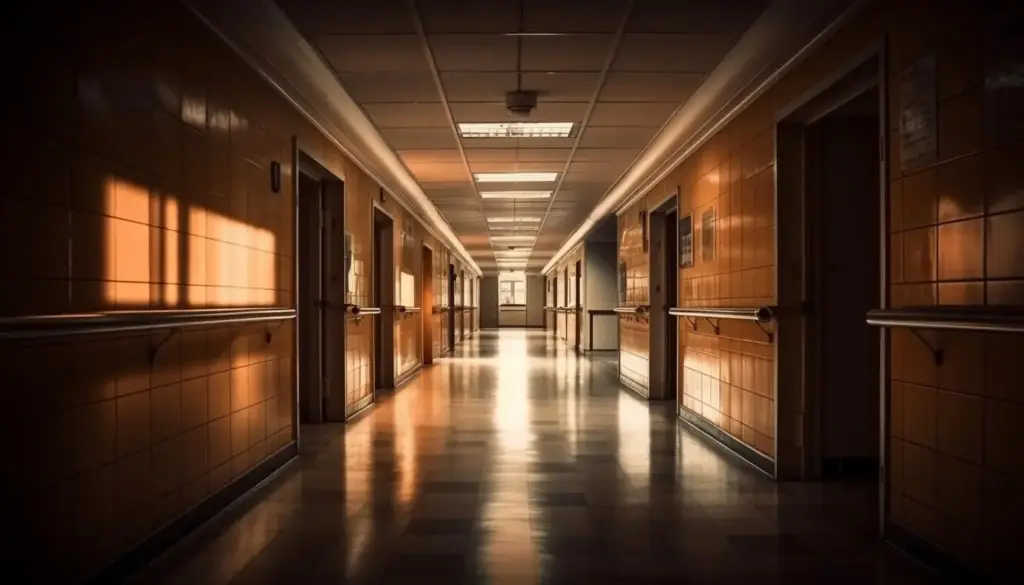
Vision thrives on contrast, clarity, and consistency. Good lighting reduces hesitation, reveals edges, and calms nighttime navigations. Layer ambient, task, and guidance light to avoid pools of darkness or blinding glare. Favor warm, uniform output, consider motion-activated pathways, and place switches strategically. Lighting that anticipates movement removes guesswork and encourages confident steps, even half-asleep.
Seeing Hazards Without Glare
High-gloss floors bounce light into eyes and hide puddles; matte finishes and diffused fixtures help. Choose bulbs with comfortable color temperature and high color rendering so edges read clearly. Aim light across floors, not directly into eyes. Shielding, dimming, and reflectance-aware placement reveal thresholds, cords, and drop-offs without dazzling the very people you wish to help.
Guiding Lines After Dark
Introduce motion-activated night lights from bed to bathroom, toe-kick LED strips under cabinetry, and soft stair lights at risers. Keep brightness modest but continuous. Glowing cues trace the shortest, safest route, eliminating fumbling for switches. Families report fewer missteps when predictable pathways quietly illuminate every habitual turn, reducing anxiety and building reassuring muscle memory.
Power Out, Safety On
Outages should not turn hallways into obstacle courses. Use plug-in night lights with battery backup, maintain flashlights at known stations, and consider emergency lighting fixtures in key corridors. Smart switches that default to safe, low-level illumination after restoration prevent harsh surprises. Preparation keeps movements steady, even when weather or grid disturbances complicate ordinary routines unexpectedly.
Planning for People: Mobility, Vision, and Aging Considerations
Design comes alive when it responds to bodies, habits, and feelings. Consider walkers, canes, wheelchairs, and tired feet at day’s end. Provide clear sightlines, gentle contrasts at edges, and ample maneuvering space. Avoid visual clutter and dangling cords. A home that anticipates limitations grants independence, dignity, and the priceless comfort of unhurried, confident movement.


From Sketch to Screw: Practical Retrofit Steps and Budgeting
Start where risk is highest—bathrooms, stairs, entries, and dark corridors—then phase upgrades across weekends and seasons. Combine quick wins with strategic investments, and reserve funds for professional help when needed. Transparent budgeting, honest timelines, and clear priorities prevent half-finished projects and deliver visible safety gains without sacrificing the look and feel you cherish.
Smart Home Support: Sensors, Alerts, and Gentle Automation
Technology succeeds when it fades into the background. Use motion sensors to trigger low-level pathway lighting at night, sunrise routines to brighten gradually, and voice control for hands-free adjustments. Consider privacy-respecting fall detection where appropriate. Thoughtful automation complements good flooring and transitions, reducing effort while preserving autonomy and reassuring loved ones near or far.
Make It Yours: Aesthetic Warmth Without Sacrificing Safety
Safety and style cooperate beautifully. Choose colors that soothe, textures that guide, and fixtures that glow without glare. Favor low-pile rugs with secure edges, cohesive thresholds that echo flooring tones, and decorative details that double as subtle cues. When a home feels loved, people move through it more often—and movement itself becomes daily prevention.
Patterns That Guide, Not Confuse
Avoid visual illusions that mimic steps, holes, or shimmering water. Use gentle borders to outline pathways and define landings. Keep contrasts intentional, not chaotic. Calm patterns reduce cognitive load, helping tired eyes read distances and edges. Beauty that clarifies invites motion, while clever restraint turns design into a caring partner rather than a puzzling obstacle course.
Comfort Underfoot Without Tripping
Low-pile, firmly anchored rugs can add warmth without risk. Consider cork or rubber for subtle cushioning beneath steady feet. Test for movement and curl at edges, then use beveled reducers to smooth transitions. When softness meets security, joints thank you, winter mornings feel friendlier, and every step offers quiet reassurance instead of nagging uncertainty.
Story-Driven Details That Invite Movement
Place a favorite chair near daylight to encourage walks across the room. Add family photos along frequently traversed halls so journeys feel rewarding. Use plants or art to meaningfully mark destinations. Personal cues transform pathways into invitations, increasing daily steps, strengthening balance, and reinforcing the powerful bond between emotional comfort and physical confidence at home.
All Rights Reserved.